
Digital X-rays
Create detailed images of teeth and supporting structures to help assess decay, roots and bone. Imaging is selected according to your examination and history.
Our technology
A closer look. A considered plan. A more comfortable visit. Explore how the tools in our Diamond Bar office support your care.
Explore the technology
Equipment images are AI-retouched illustrations; details may differ from the actual devices.
Create detailed images of teeth and supporting structures to help assess decay, roots and bone. Imaging is selected according to your examination and history.
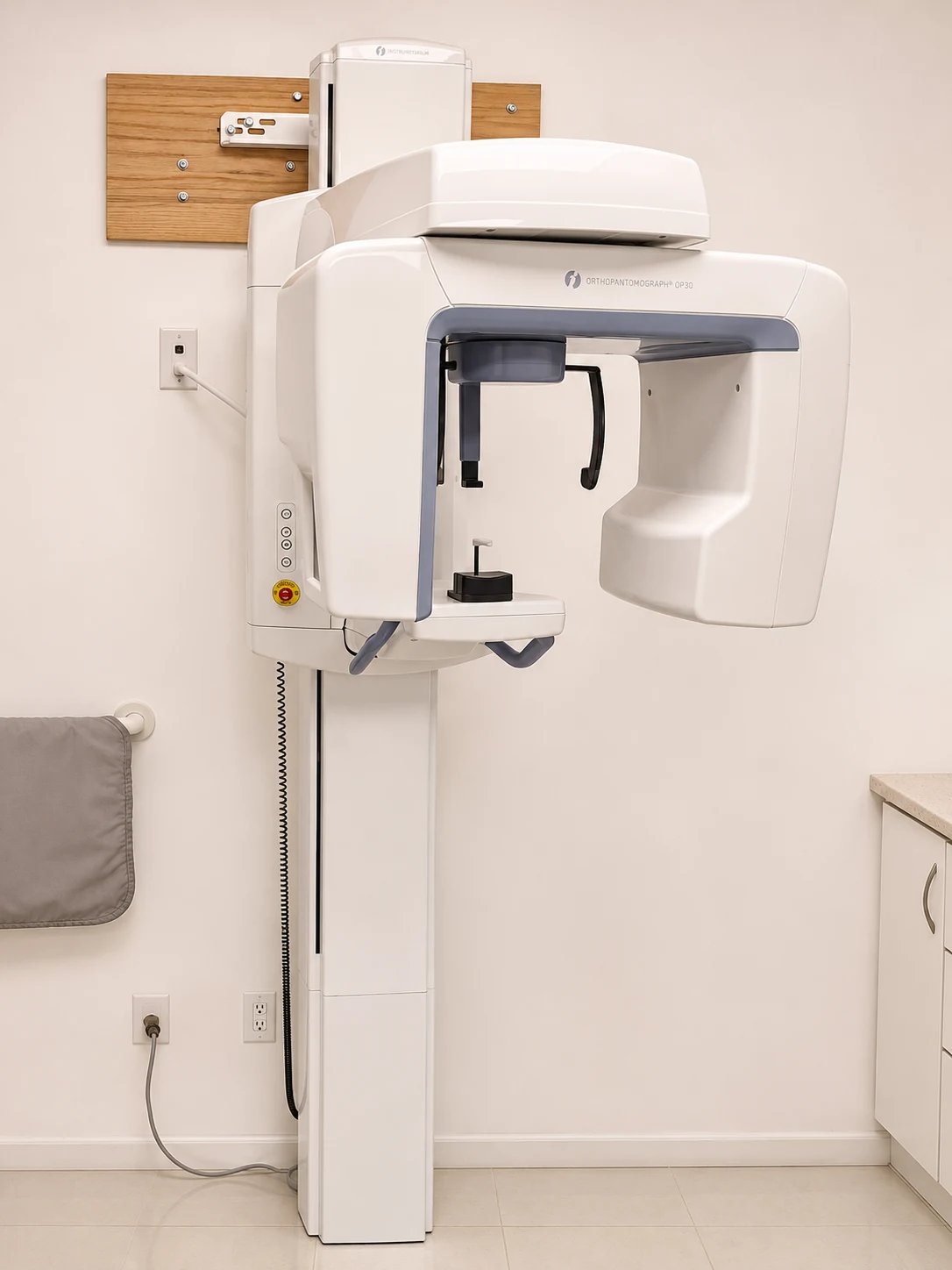
Provides a broad two-dimensional view of the teeth and jaws, helping assess overall structures and plan selected care. It does not replace every detailed dental X-ray.
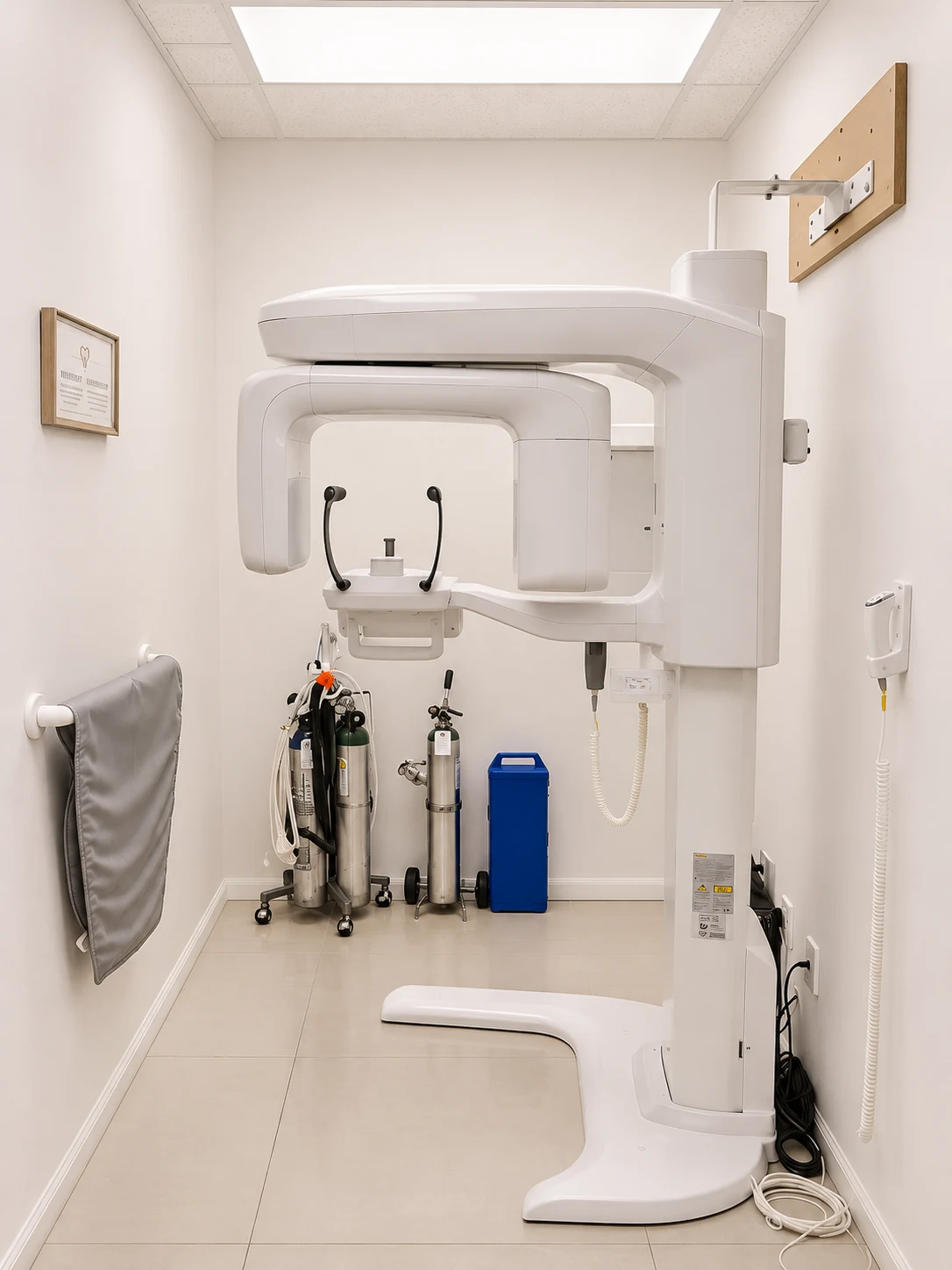
Shows teeth and jaw structures in three dimensions for selected diagnostic and surgical planning needs. It uses X-rays and is recommended when the added information justifies the exposure.
A small camera captures close-up images of teeth and gums, making findings easier to explain, document and compare during follow-up.
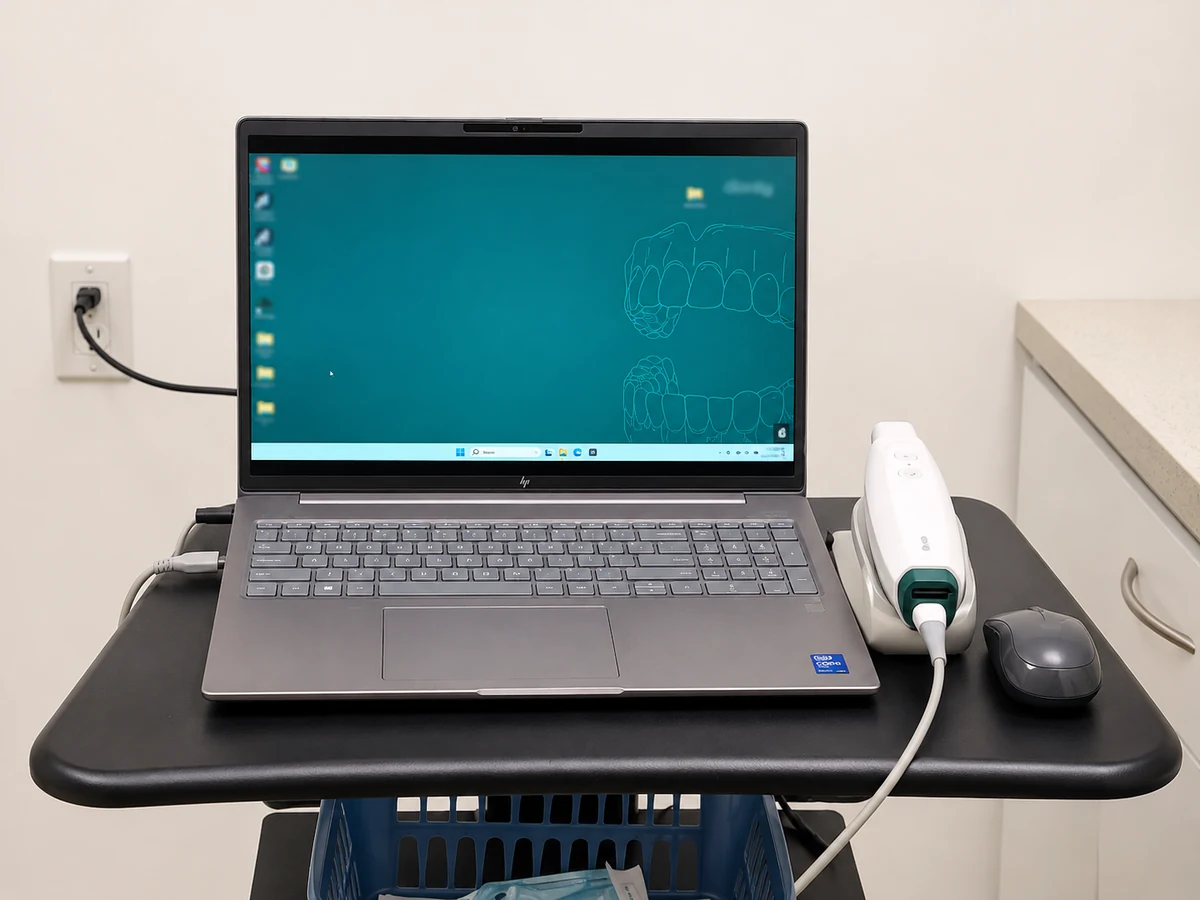
Optical scanning creates a three-dimensional record of tooth surfaces for suitable restorations and appliances. It can reduce the need for conventional impressions; it is different from CBCT.
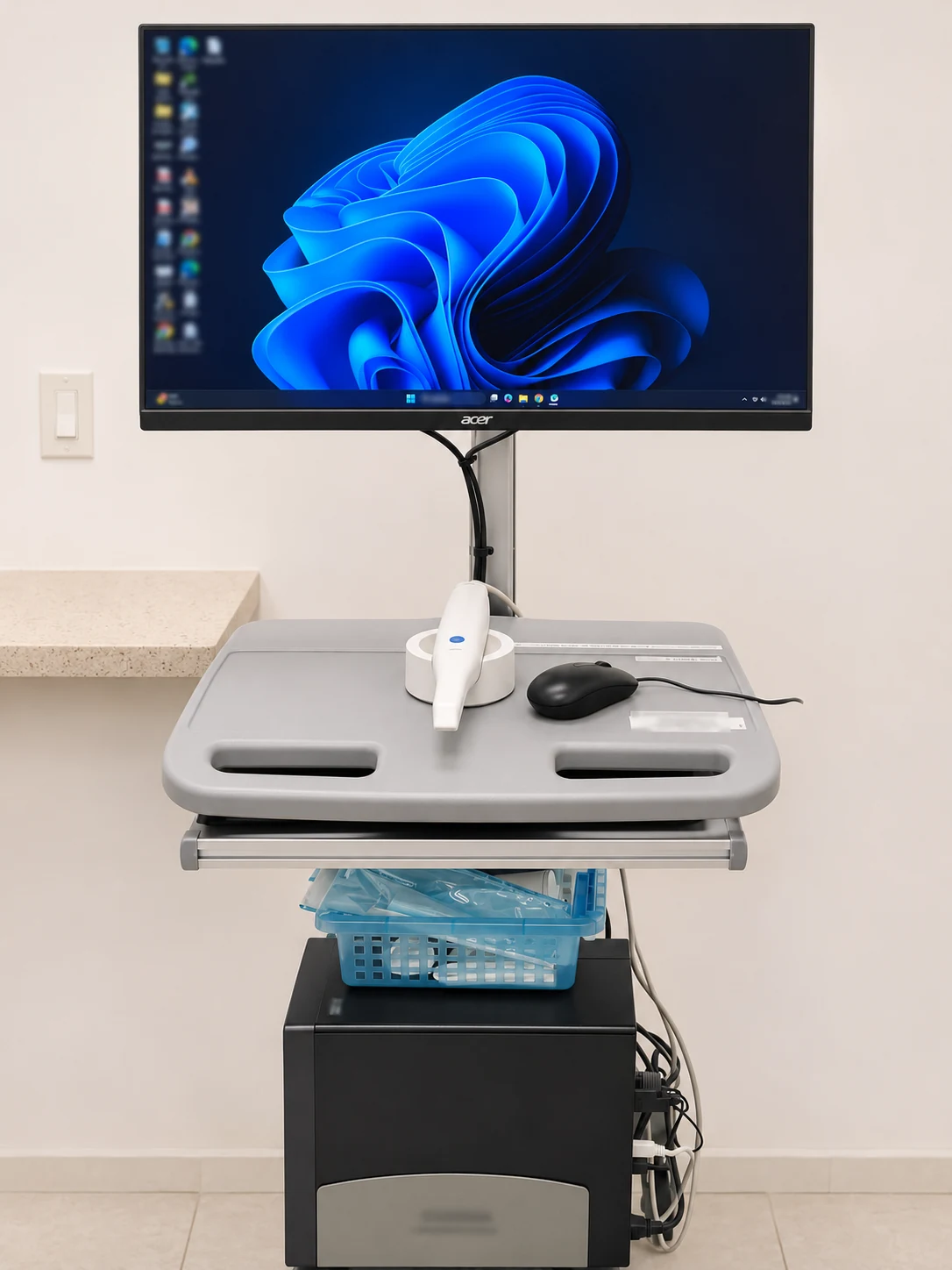
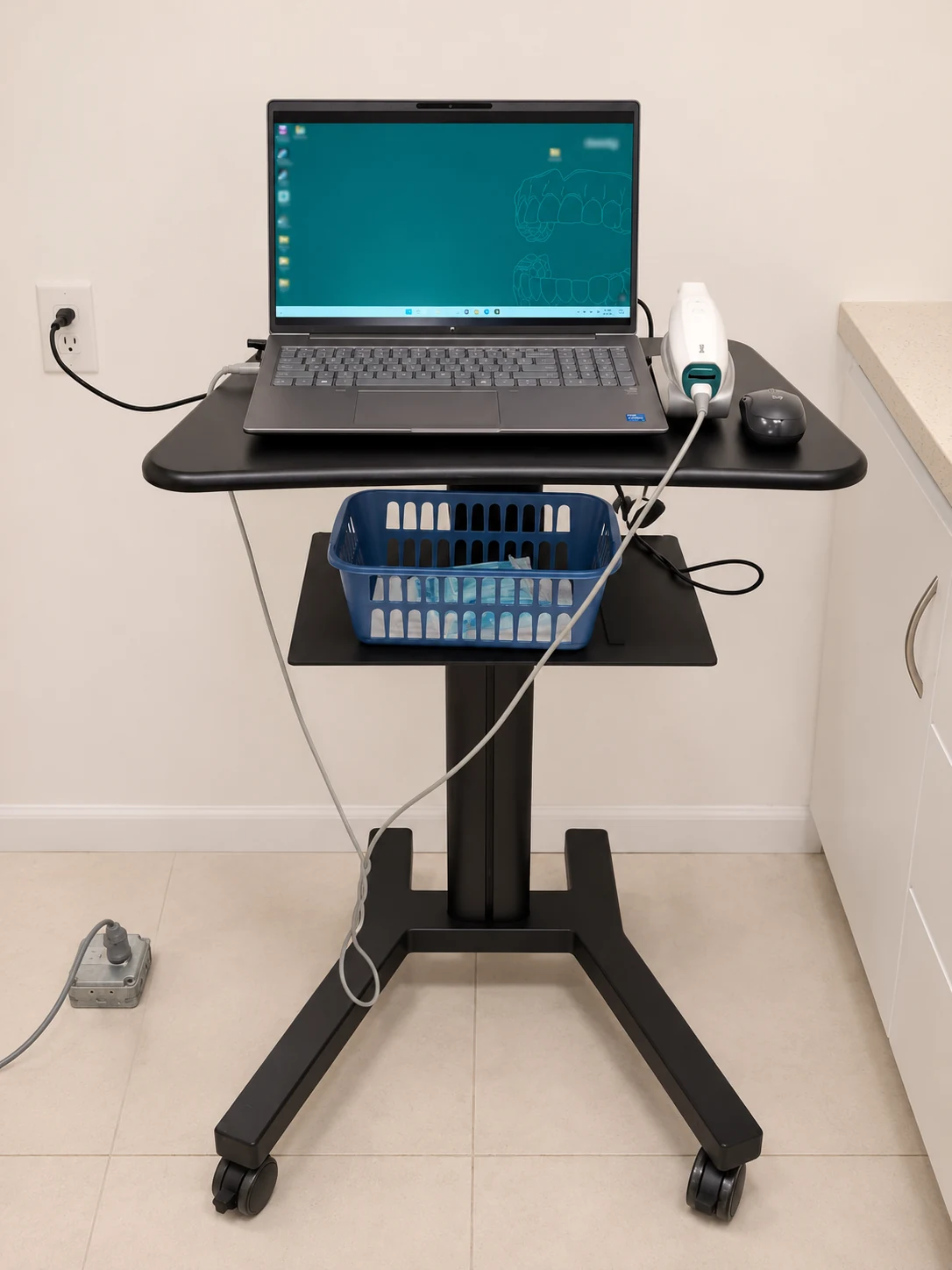
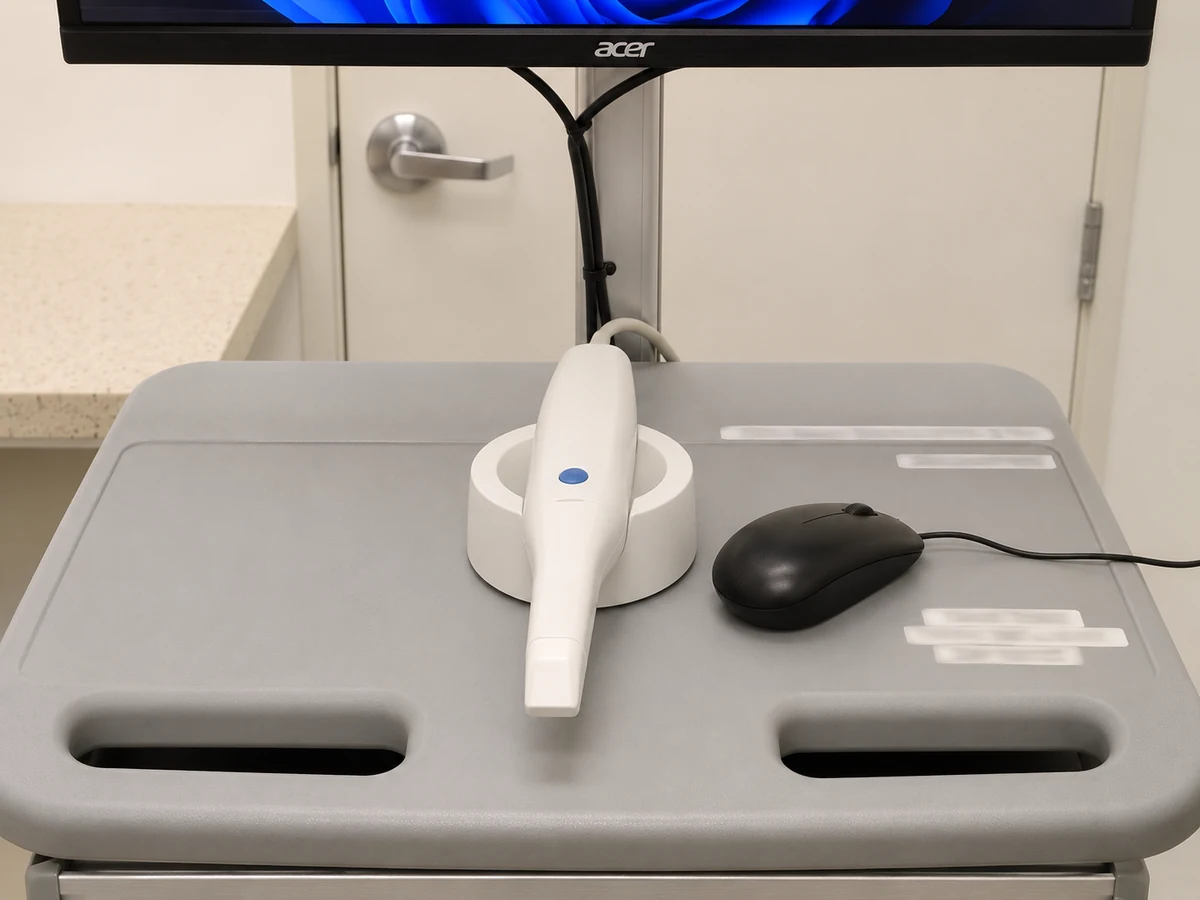
Uses photographs and digital records to discuss tooth proportions and possible smile changes. A visual proposal supports communication and is not a guarantee of the final result.
Combines examination findings, images and records to help organize treatment options and sequence care. The plan is reviewed with you before treatment decisions.
Uses digital planning and a surgical guide to help transfer planned implant positions to treatment. Your surgeon still evaluates anatomy, suitability and surgical risks.
Uses digital records to assess tooth positions and plan proposed movement. Your clinician checks suitability, monitors progress and adjusts care when needed.
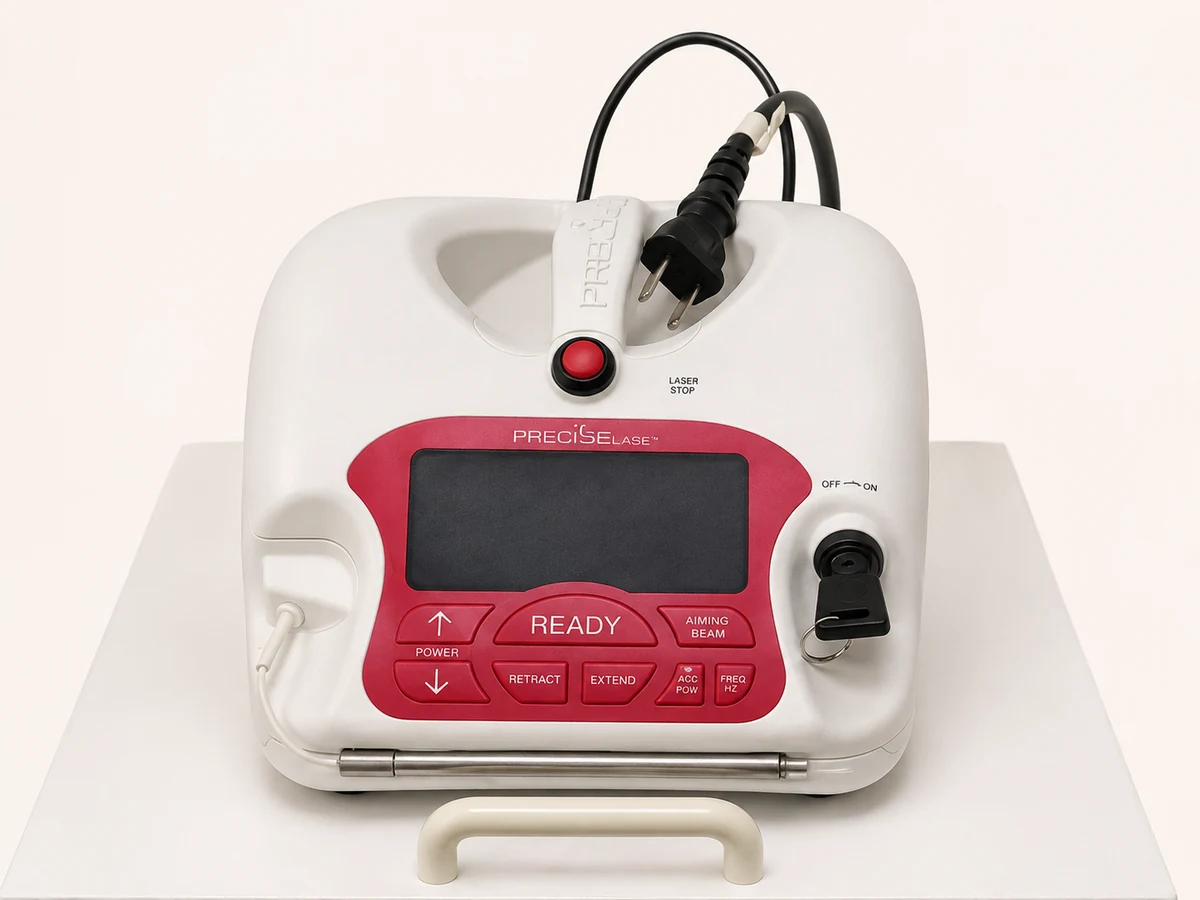
Use focused light for selected dental or gum procedures when clinically appropriate. Your dentist explains the intended use and alternatives; conventional instruments or anesthetic may still be needed.
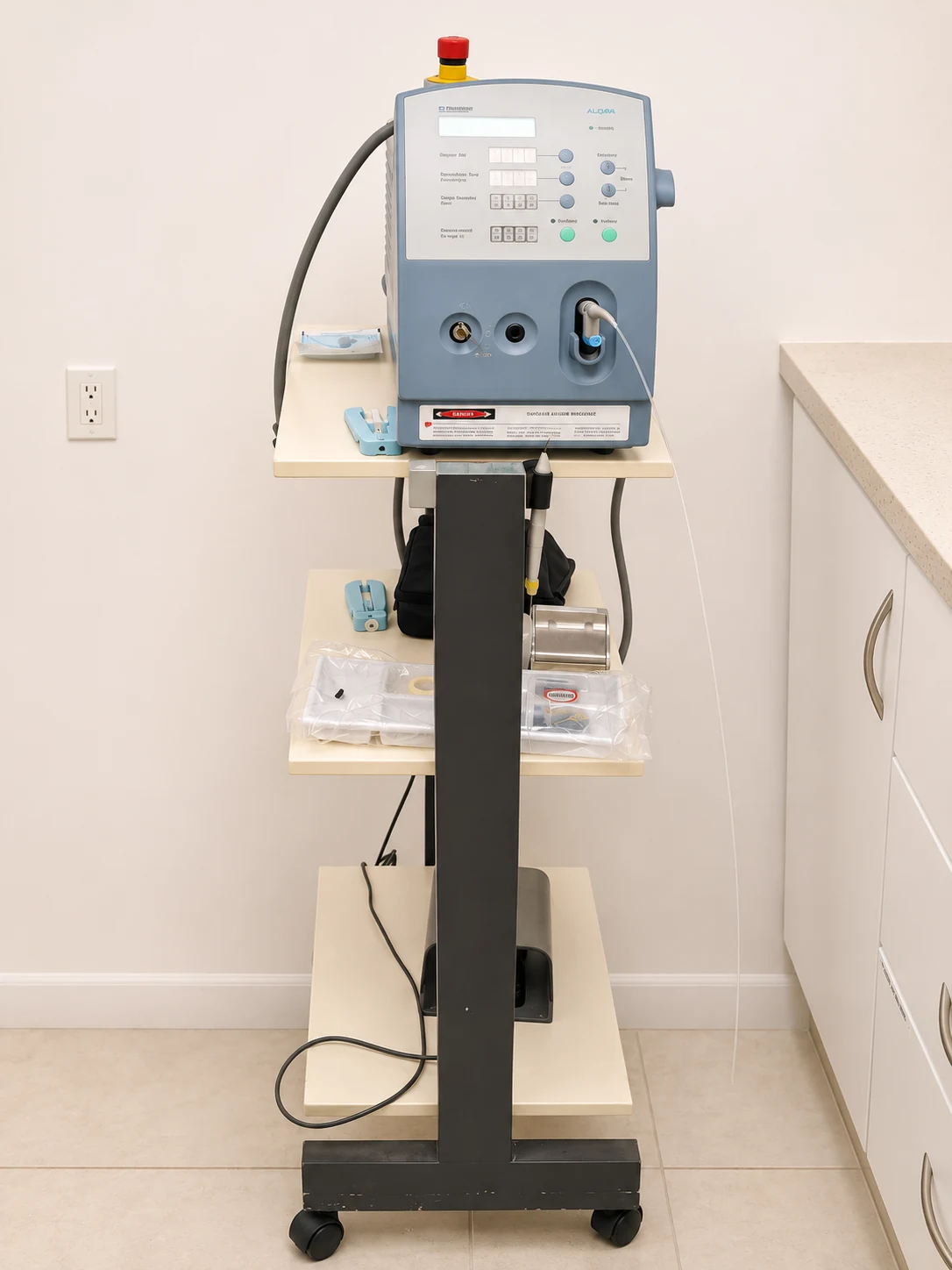
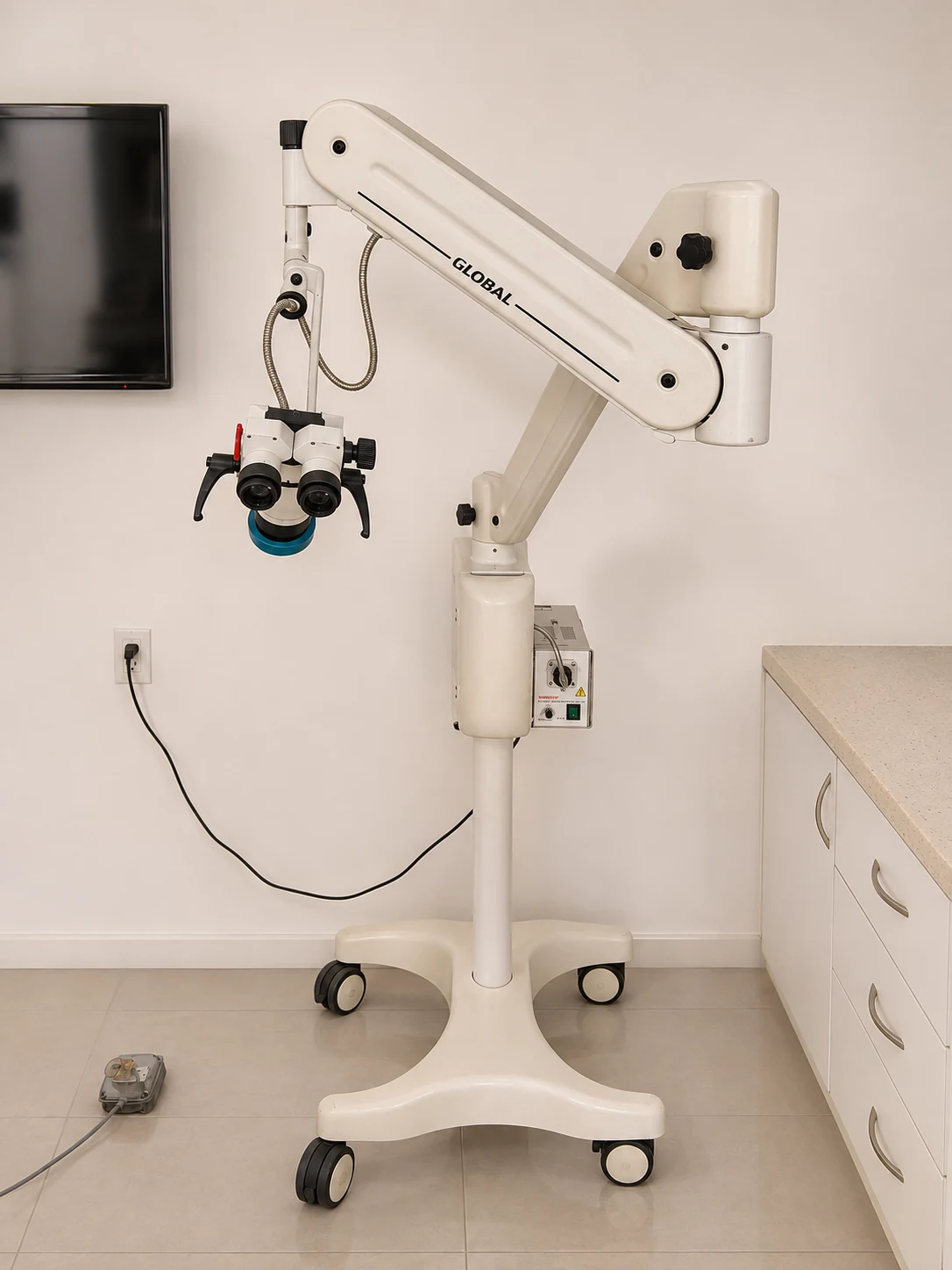
Provides magnification and illumination to help your clinician see small details during selected procedures, including root canal treatment.
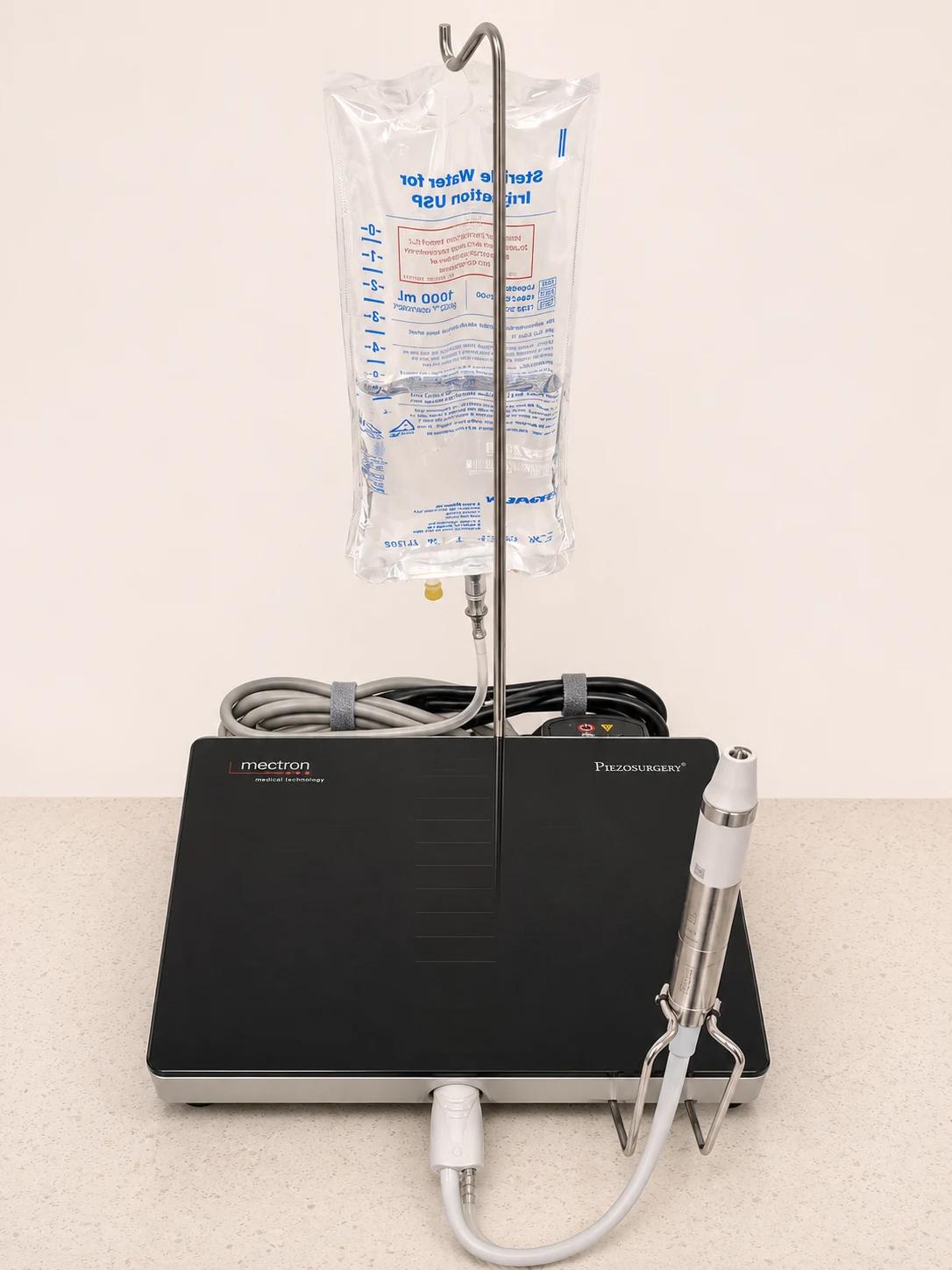
Uses controlled ultrasonic vibrations for selected bone procedures. Your surgeon chooses when this approach is appropriate; it does not eliminate surgical risks.
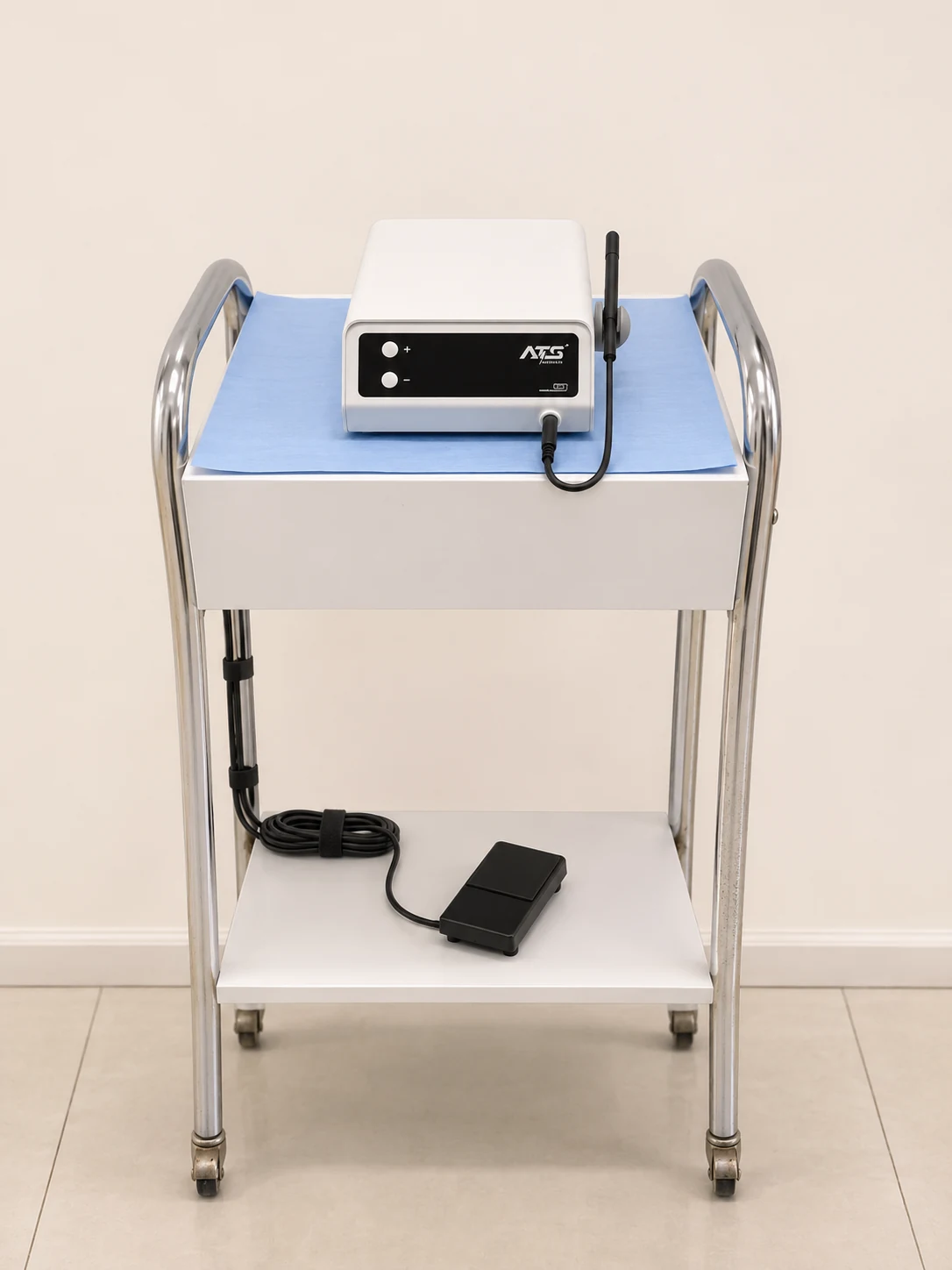
Uses controlled electrical energy for selected soft-tissue procedures and to help manage bleeding. Suitability and precautions depend on your health and planned treatment.
Uses a vibrating tip and water to help remove deposits from tooth surfaces during professional cleaning. Hand instruments may also be used according to your needs.
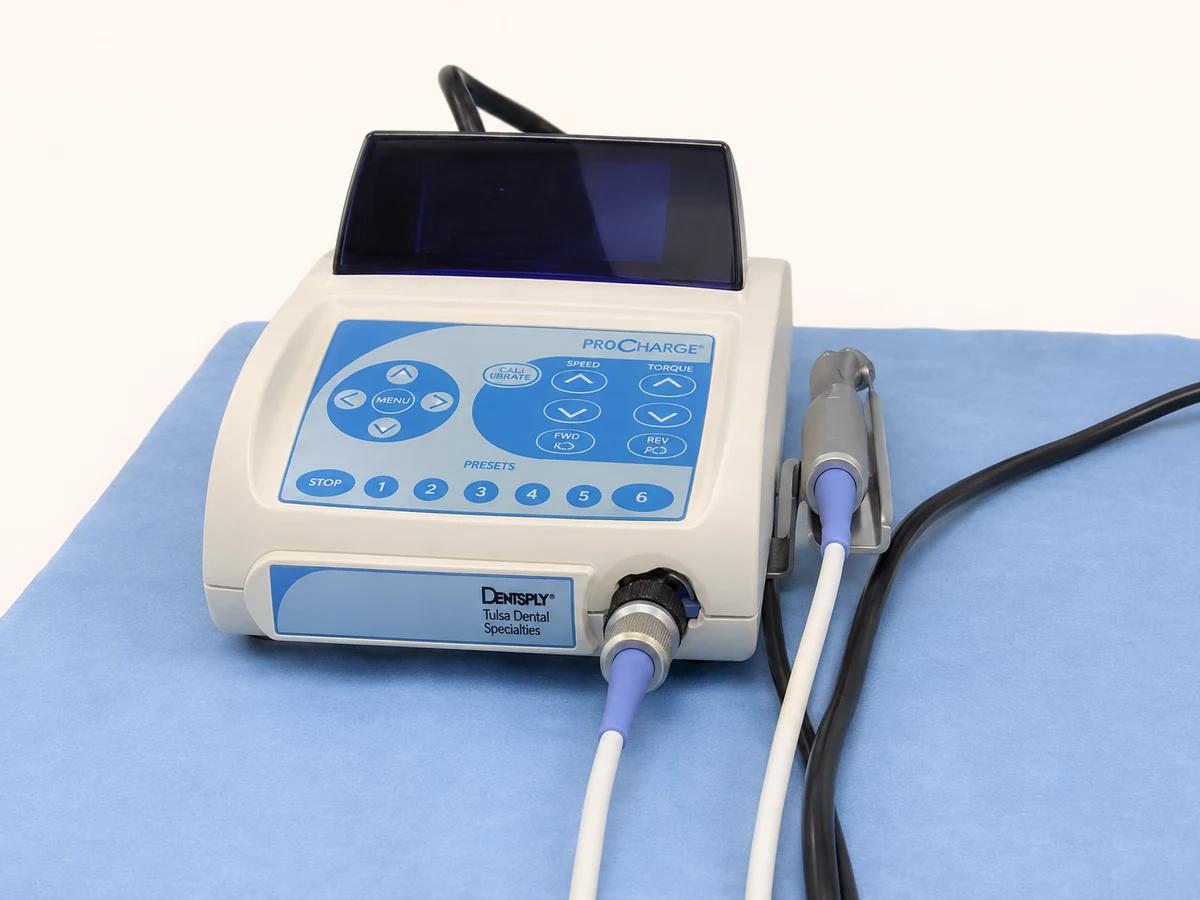
Uses motor-driven instruments to help shape root canals during treatment. It supports careful preparation alongside irrigation and clinical assessment, without guaranteeing an outcome.
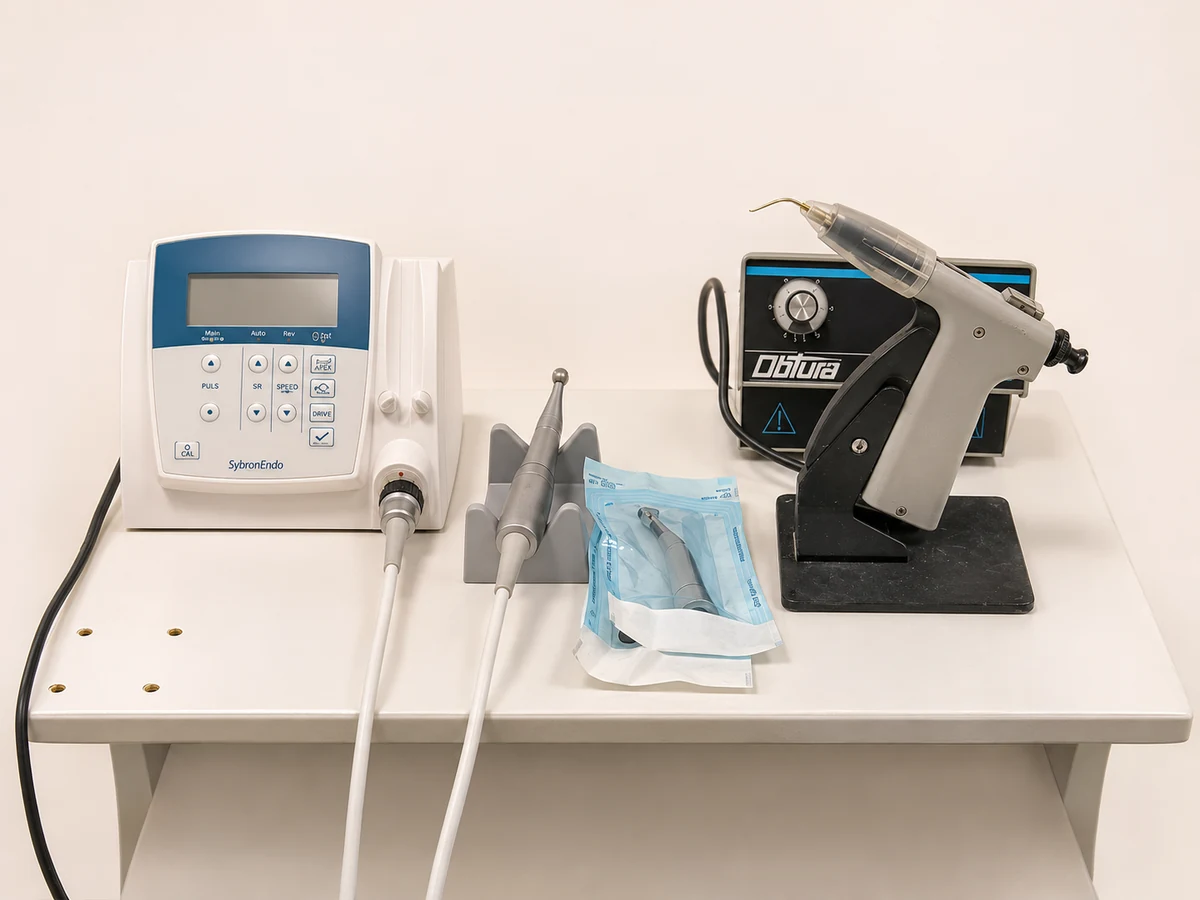
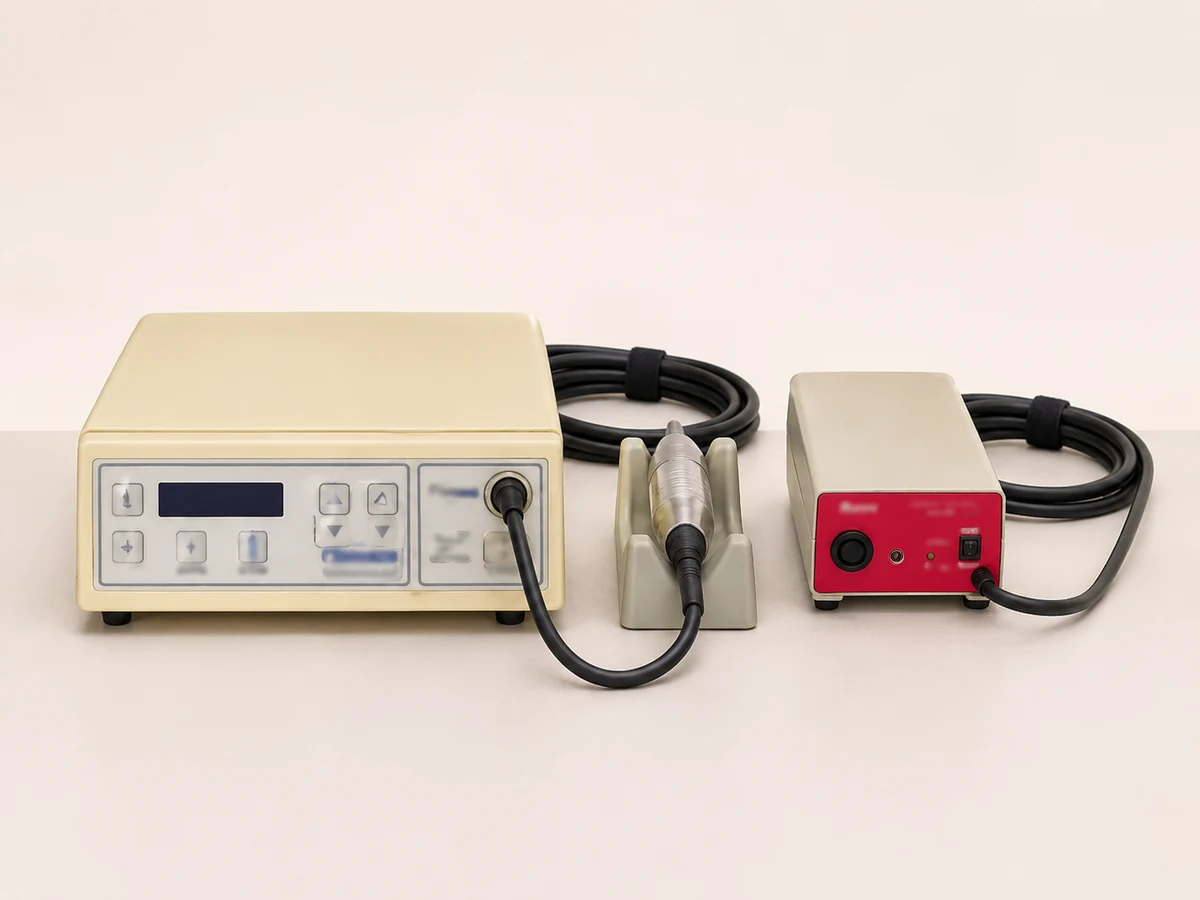
Organize clinical notes, images and treatment history so the care team can review information and coordinate follow-up. Please tell us about changes in your health or medications.
Provides a dedicated setting for planned oral surgical procedures. The team confirms the appropriate setting, preparation and aftercare for your procedure and health needs.
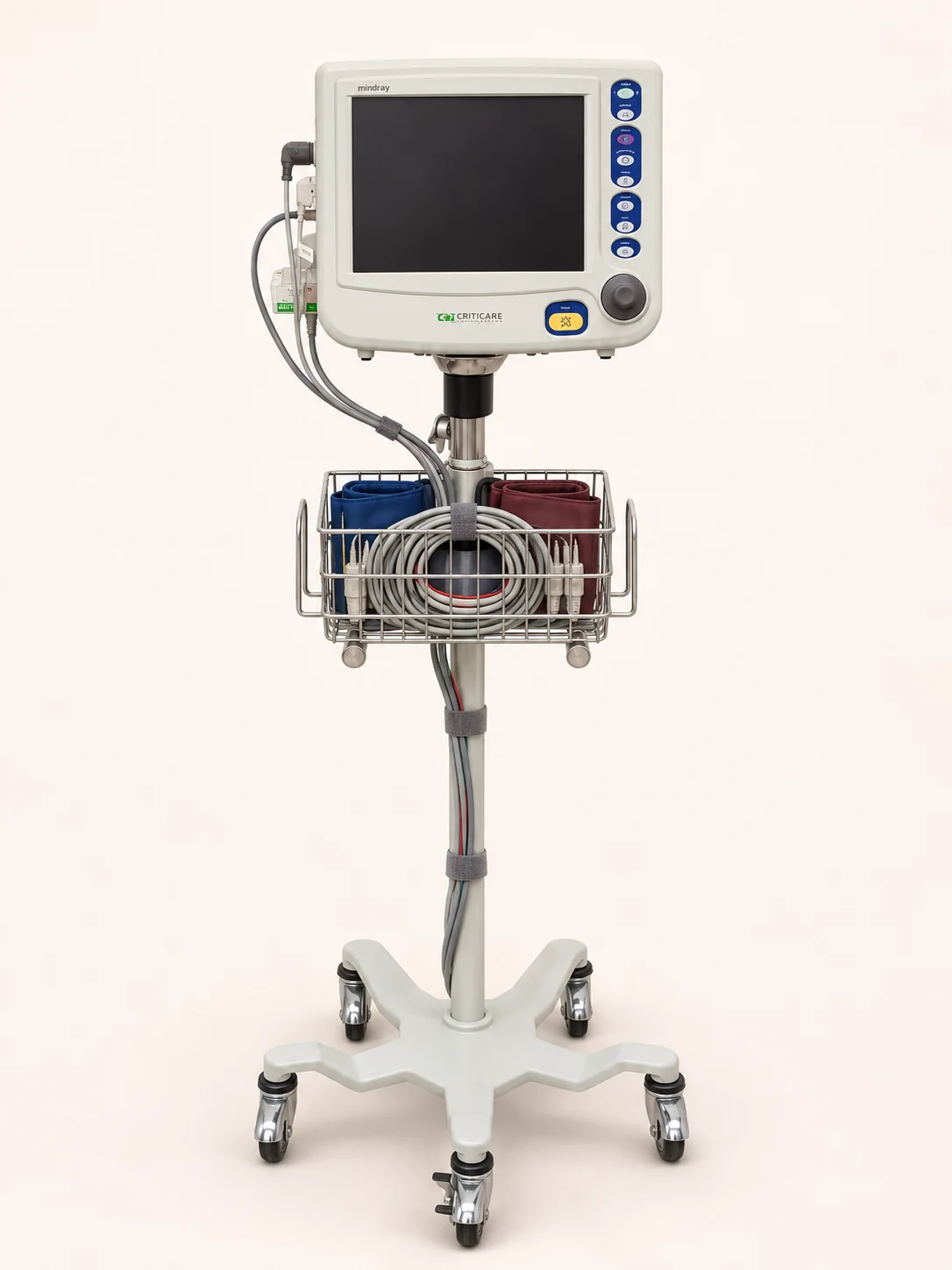
Helps the team observe vital signs during sedation as appropriate to the level of care. Monitoring complements trained personnel, assessment and safety protocols; sedation still carries risks.
Your clinician recommends tools for your needs—not every visit needs every technology. We explain the purpose, alternatives, risks and costs before you decide. Technology supports clinical judgment; it does not guarantee an outcome.